Double backflow assembly failure
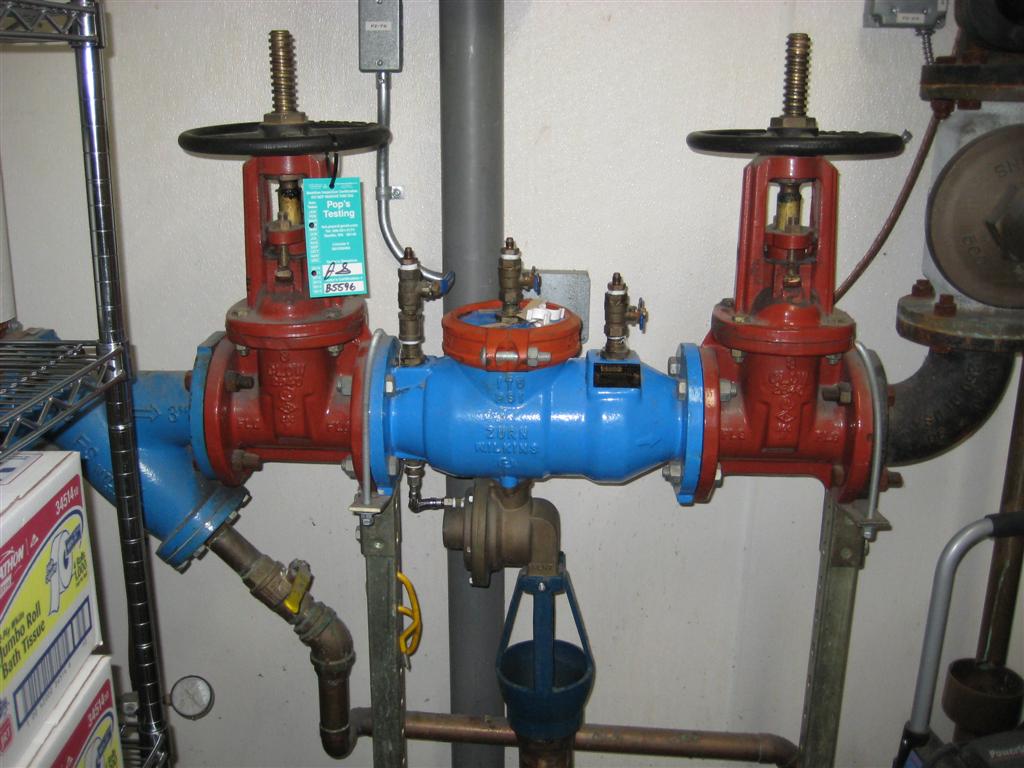 This backflow assembly is for the domestic water in a warehouse in Seattle. It’s a Wilkins 375 Reduced Pressure Backflow Assembly.
Unfortunately it failed the annual backflow assembly test, the relief valve failed (low psid) and check valve #2 leaks. We’ll have to repair it when the place is closed.
Update: its 1:00am on 4/19/11 this repair went smoothly and this device passed the backflow assembly test with good readings.
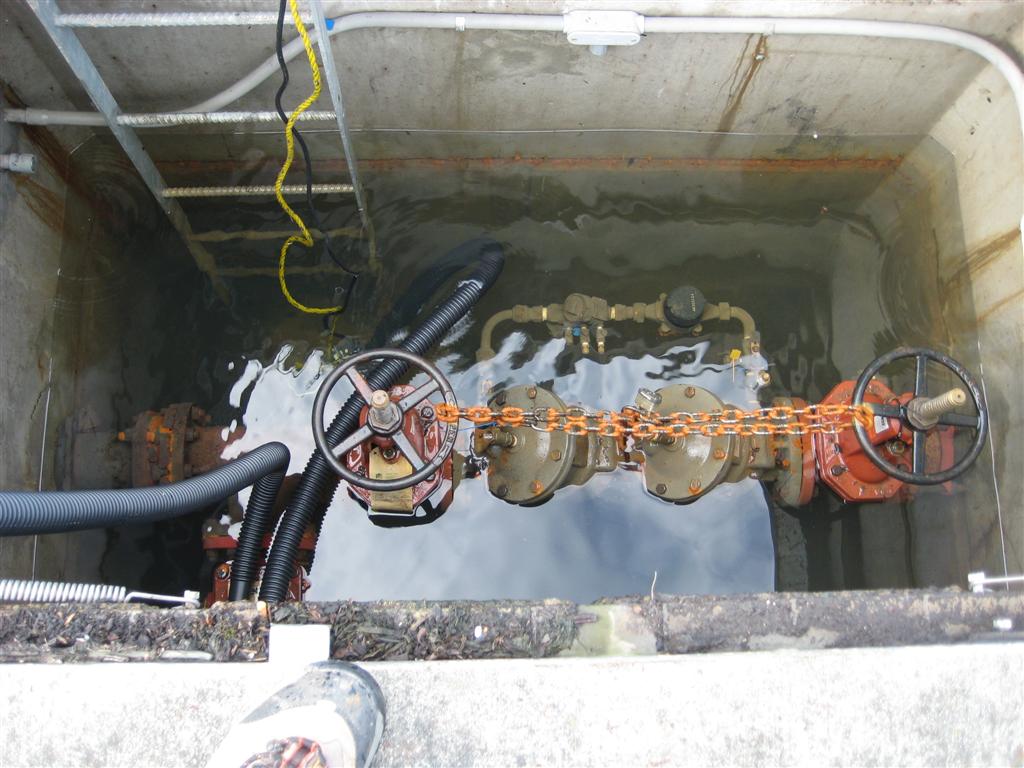
Flooded backflow prevention assembly vault.
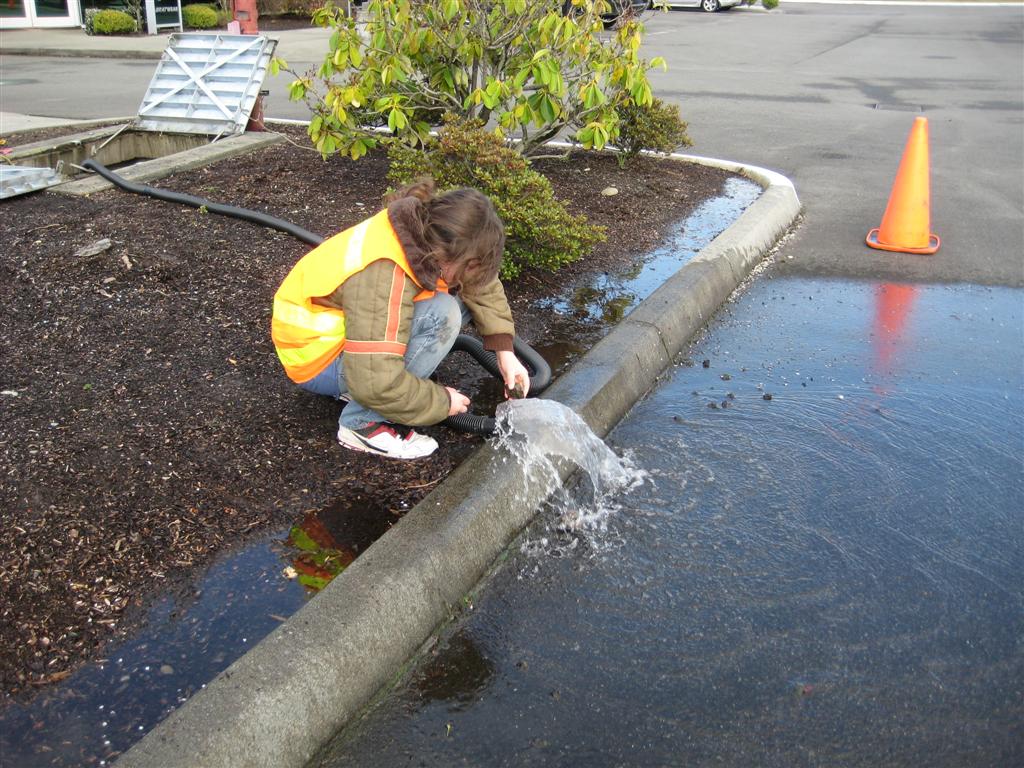
We are in the process of pumping out this flooded vault in Fife with a Febco DCDA fire service backflow prevention assembly. Our pump puts out enough water for my son to build waterfalls and have leaf races in the water current.
The ¾” Febco 805YB failed the backflow test so we cleaned it and rebuilt it with new parts; check valve #1s seat had cut into the disk. This backflow prevention assembly in Fife passed the test after the repairs were made. Click to Enlarge.
Elevator time machine.
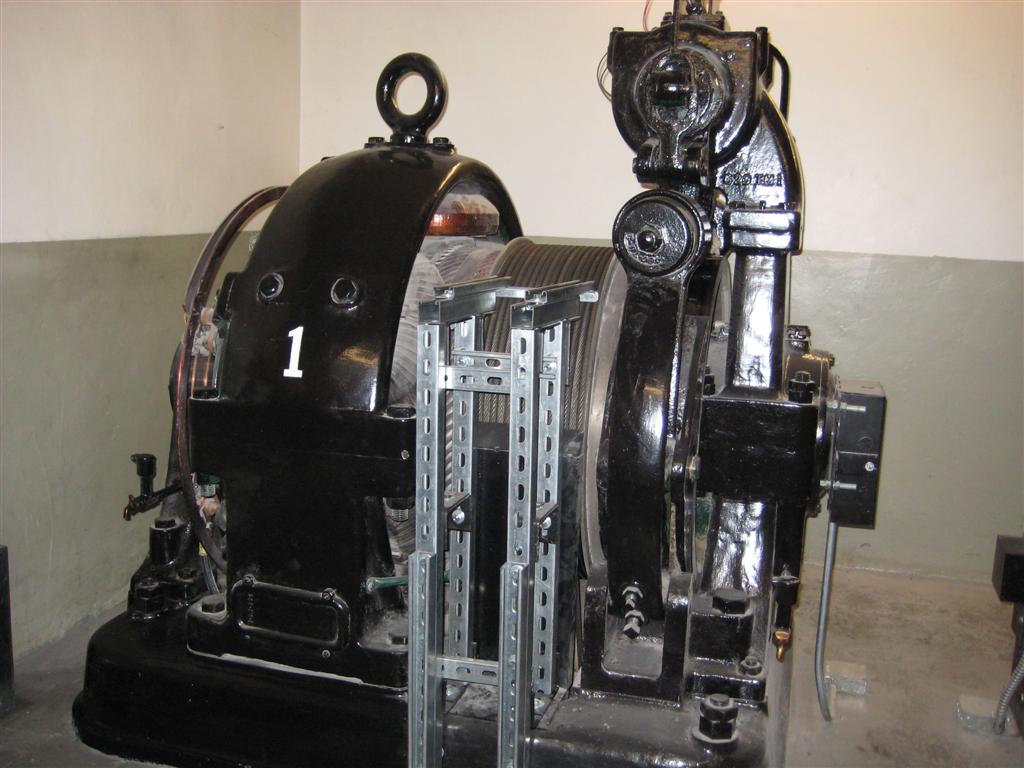
The photos below have nothing to do with backflow prevention assemblies or backflow assembly testing. They do however reside in a backflow costumers building in the heart of downtown Seattle.
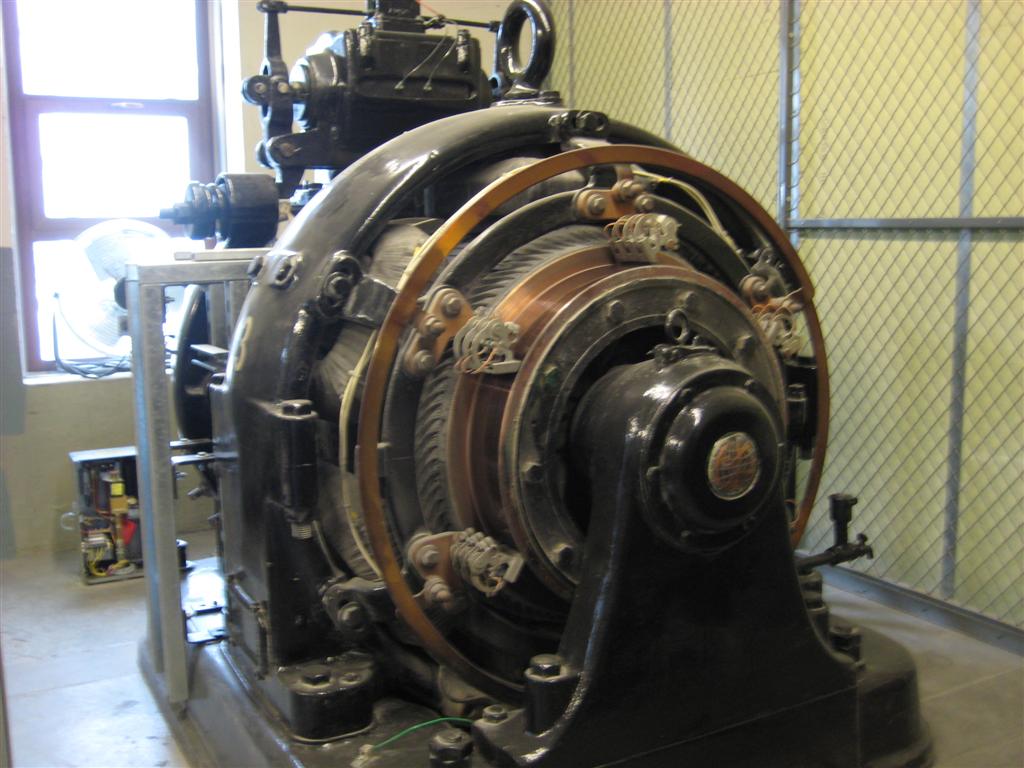
These gorgeous pieces of machinery were fabricated in the late 1920s to early 1930s their sole mission is to raise and lower elevators, which they have been doing safely and tirelessly for many decades now, and will continue to do so for many decades to come. Click to Enlarge


A look inside a Watts 009 RP backflow assembly.
I am in the process of repairing this Watts 009M3QT Reduced Pressure Backflow Assembly for a dishwasher in a downtown Seattle restaurant.
The relief valve failed the 1st backflow test; I was able to exercise the RV to get it to pass the 2nd backflow test. However when I tested check valve #2 I found it leaked. At this point it was time to take this backflow prevention assembly apart and inspect and clean the internal parts in an attempt to get this backflow device to pass the 3rd test.
After the repairs this reduced pressure backflow assembly (RPBA) did pass the 3rd test. Click to Enlarge


Sight tubes & backflow assembly testers.
 Here in Washington Backflow Assembly Testers are required to use a sight tube when testing the DCVA backflow assembly. The arrow in the photo shows the sight tube I use on vertical DCVA backflow installations inside homes. With this system I can easily catch all the water released while testing the backflow prevention assembly in a small container.
Backflow prevention assemblies are sometimes installed inside the home over hardwood floors or carpet. Having full control over the water while testing or repairing is critical in these circumstances.
A hand up to test a Backflow Prevention Assembly.
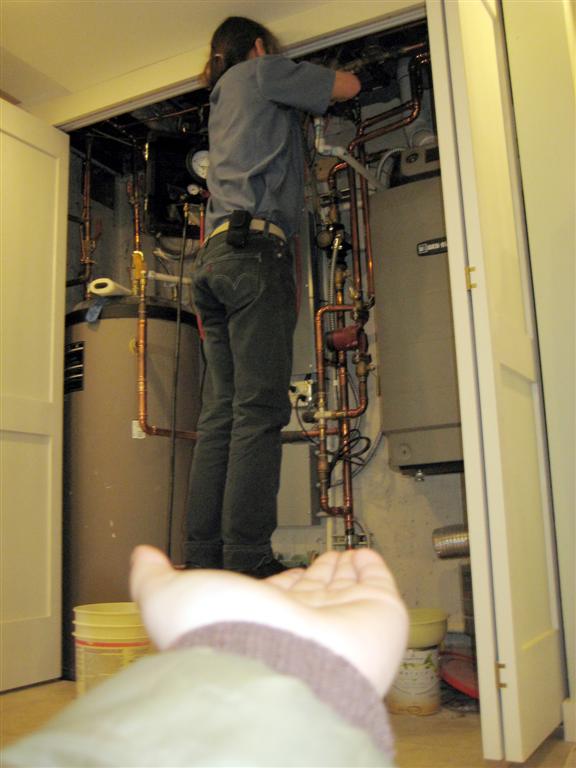
Here we have a Backflow Prevention Assembly which is not installed to regulations. The backflow device is installed too high. Fortunately this test was in the evening after school and my son was with me to give me a hand up.
Unfortunately this backflow in West Seattle also had an illegal bypass as seen in the Backflow Photo Gallery.
Backflow at premises with irrigation systems
DATE OF BACKFLOW INCIDENT: October 1991 LOCATION OF BACKFLOW INCIDENT: Southgate, Michigan SOURCE(S) OF INFORMATION: – Drinking Water & Backflow Prevention, Volume 9 Number 6 (June 1992)
– Pacific Northwest Section of the American Water Works Association, Summary of Backflow Incidents, Fourth Edition, 1995
– Watts Industries, Inc.; Watts Regulator News/Stop Backflow
CASE HISTORY
On October 1, 1991, two homeowners in the City of Southgate, Michigan, found parasitic worms, or nematodes, in their water. One homeowner found the worms swimming around in his bathtub when he started filling the tub for his child. He also found rust and other debris in his water. The Wayne County Health Department determined that water had backflowed through a residential irrigation system into the public water system.
An atmospheric vacuum breaker on the residential irrigation system had malfunctioned because the device’s air inlet valve had stuck to the device’s air inlet port. There was a water main break, which caused a vacuum in the public water system. The vacuum in the public water system sucked some water–and some nematodes–from the irrigation system into the public water system.
Crews from the City’s Department of Public Services opened fire hydrants and flushed all the water mains located three blocks north and south of where the backflow incident occurred. Analysis of subsequent water samples collected by the Department of Public Services showed no detectable coliform bacteria.
The County cited the owner of the irrigation system for improper installation of the system. The contractor that this resident employed to install the irrigation system did not have a City permit and used a “cheap” atmospheric vacuum breaker.
BACKFLOW AT A FUNERAL HOME
SOURCE(S) OF INFORMATION:
– U.S. Environmental Protection Agency, Cross-Connection Control Manual, 1989
CASE HISTORY
The chief plumbing inspector in a large southern city received a telephone call advising that blood was coming from drinking fountains at a mortuary (i.e., a funeral home). Plumbing and health inspectors went to the scene and found evidence that blood had been circulating in the potable water system within the funeral home. They immediately ordered the funeral home cut off from the public water system at the meter. City water and plumbing officials did not think that the water contamination problem had spread beyond the funeral home, but they sent inspectors into the neighborhood to check for possible contamination. Investigation revealed that blood had backflowed through a hydraulic aspirator into the potable water system at the funeral home.
The funeral home had been using a hydraulic aspirator to drain fluids from bodies as part of the embalming process. The aspirator was directly connected to a faucet at a sink in the embalming room. Water flow through the aspirator created suction used to draw body fluids through a needle and hose attached to the aspirator. When funeral home personnel used the aspirator during a period of low water pressure, the potable water system at the funeral home >became contaminated. Instead of body fluids flowing into the wastewater system, they were drawn in the opposite direction–into the potable water system.
The Search for the hidden backflow assembly…

Lost since 2005, Found in 2011, 1 of 6
These pics are of a test I did today at the Northwest Automotive Service Center on the corner of 85th and Aurora. Testers have not been able to find this one since 2005. The city was going to shut the water off. It took me a half an hour to find it, a half an hour to clear out the shrubs and dig it out, plus two trips and the test for this one took me 2.5 hours to complete.
Lost since 2005, Found in 2011, 2 of 6
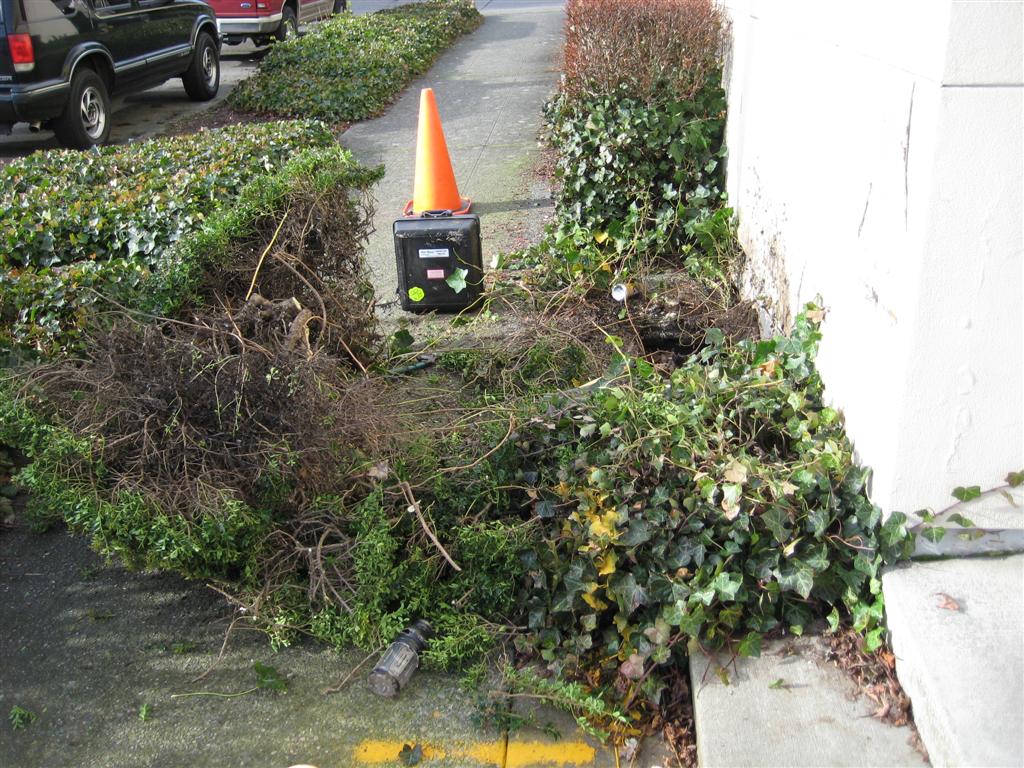
They say people sometimes can’t see the forest for the trees. In the case of this assembly, it was more a matter of not seeing it for the vines. Here at Pop’s Backflow Testing, we pride ourselves on keen eyesight and thoughtful judgment. Or maybe we just like to solve “Find-the-Hidden-Object” puzzles. In any case go ahead, click on each picture to enlarge…
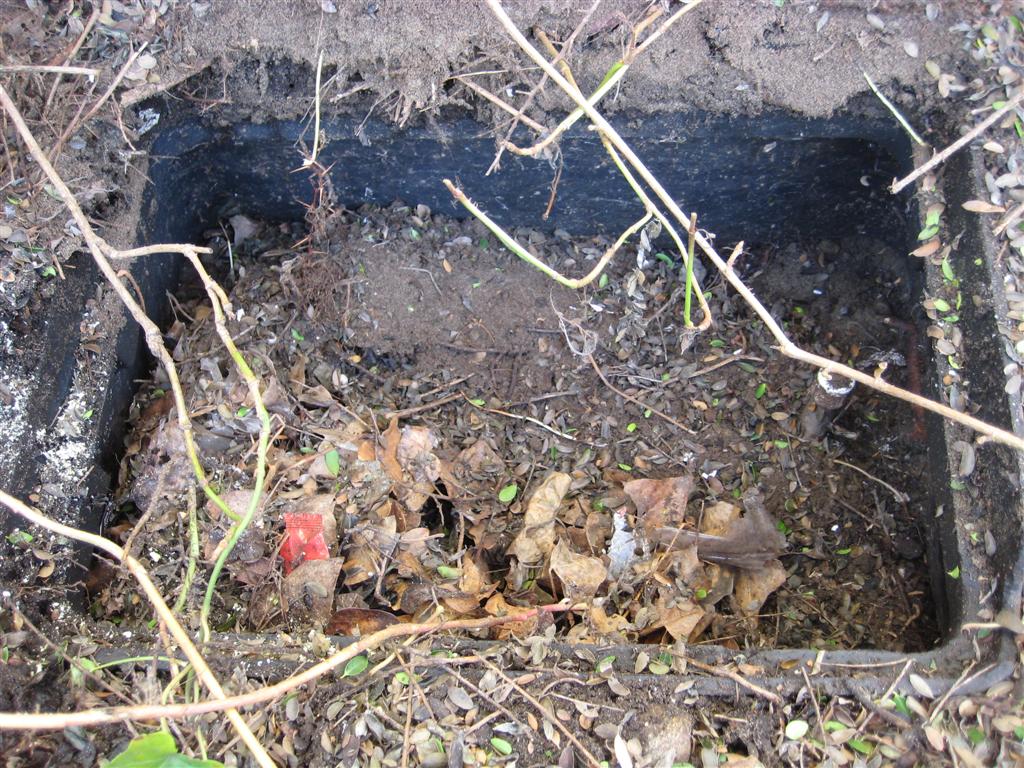
Lost since 2005, Found in 2011 (3 of 6)
We went at it with some garden clippers, saws, utility knives, and our bare hands until we had the vines cleared away. That wasn’t landscaping—that was Nature, overgrowing an important device for human sanitation!

Lost since 2005, Found in 2011, 4 of 6
Sure enough, we found it. And for the first time in six years, tested it.
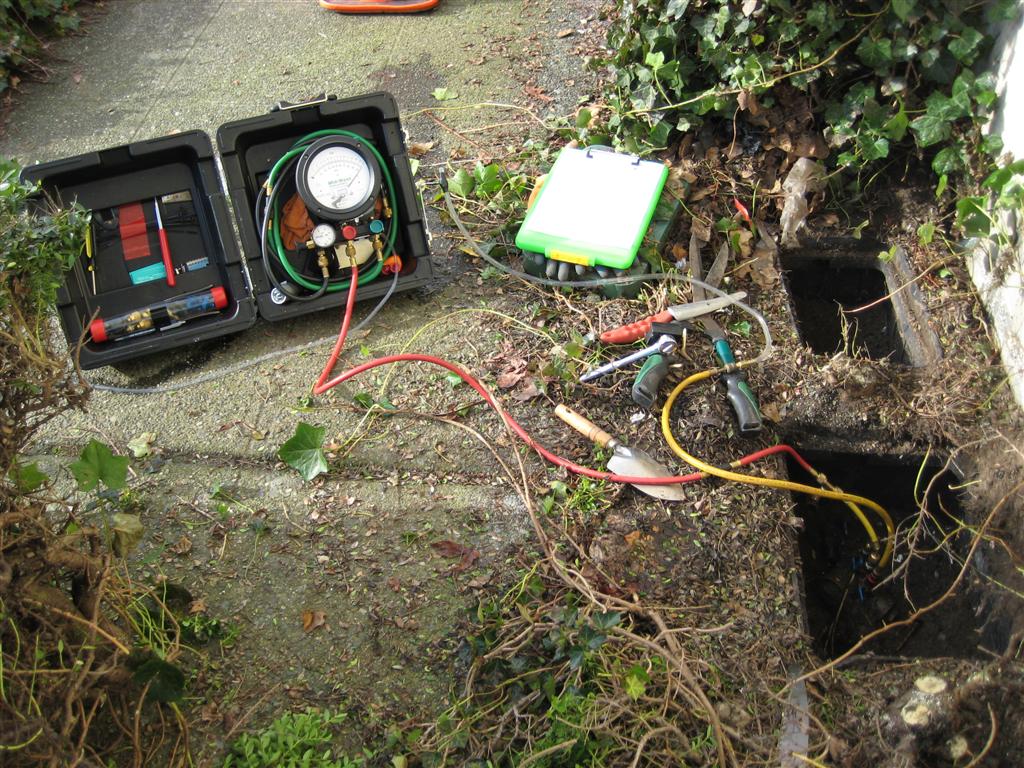
Lost since 2005, Found in 2011, 5 of 6
And we didn’t leave until that thing passed inspection with flying colors. (You can see the famous blue truck of Pop’s Testing in the background).
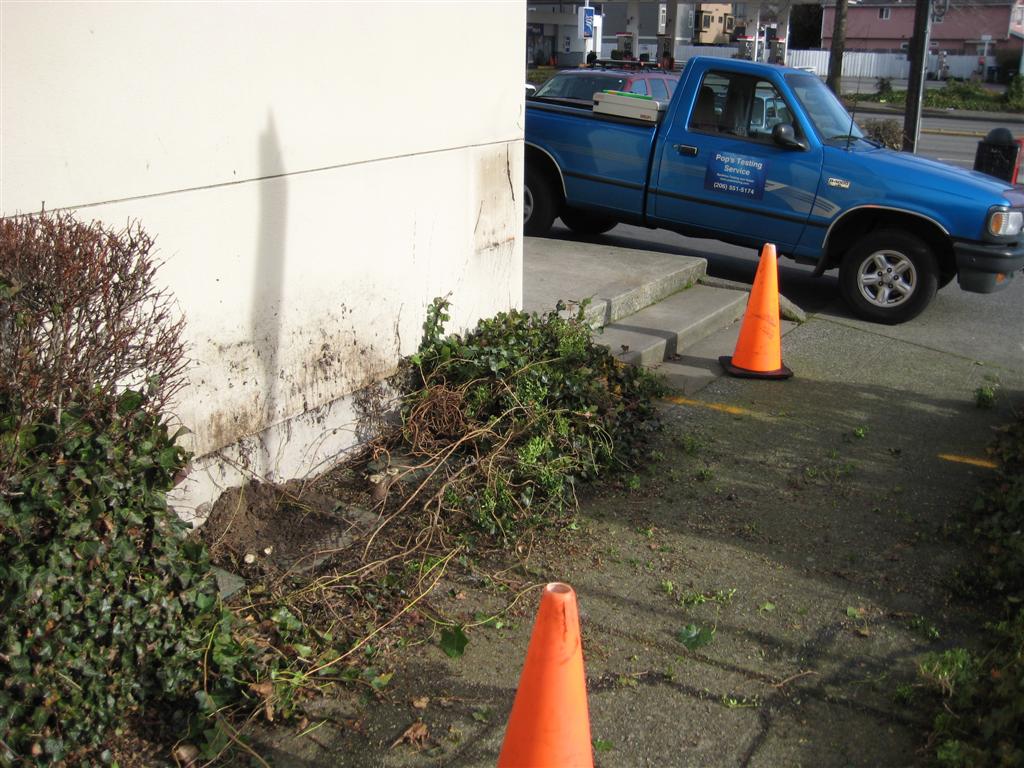
Lost since 2005, Found in 2011, 6 of 6
All in all, a job well done. And we cleared away the yard waste and left the area clear for the next guy to come along to test it. Hopefully we’ll get that call next year!
Welcome to the Backflow Blog!
DISCUSS BACKFLOWS WITH JAMES “POP” SALTER.
Backflow assembly testing is our life at Pop’s Testing. And if you’re on this site, chances are that’s all you need: someone reliable and affordable who can come out quickly and take care of this one pesky requirement of property ownership. Chances are you’ve gotten a notice from your water supplier and you just need someone to inspect your backflow assembly. You want someone who is professional, no-nonsense, and affordable. But ideally—and without too much shopping around—you’d also like someone friendly, honest, ethical, and available when it’s most convenient for you.
To be honest, you should call us (206) 551-5174 or email us right now to schedule a test OR just get on our reminder list. We can be there to test, repair or install your backflow assembly or backflow device just as soon as you need us. One less thing to worry about!
HOWEVER…
If for some reason you have more than a passing interest in backflow assemblies—
if you’re interested in how backflow assemblies work,
what they look like, how they’re designed—
maybe you should bookmark this page.
If you take pleasure, like we do,
in the diverse shapes and designs of backflow devices
found right in your own neighborhood—
Whether Seattle, Tacoma, Bellevue or Burien—
if you like to learn more about this fascinating
bit of engineering that helps us live our everyday lives,
but which most people have no idea about…
…then perhaps you should subscribe to this page and get all the latest posts in Pop’s Backflow Blog delivered automatically to your inbox.

The Pop’s Testing field crew consists of (L-R) Solomon “Solo” Salter and James “Pop” Salter, shown here at Pop’s Testing World headquarters in Seattle.

 Pop's Backflow Testing | Honest • Reliable • Responsive